
Scuba Diving Gear
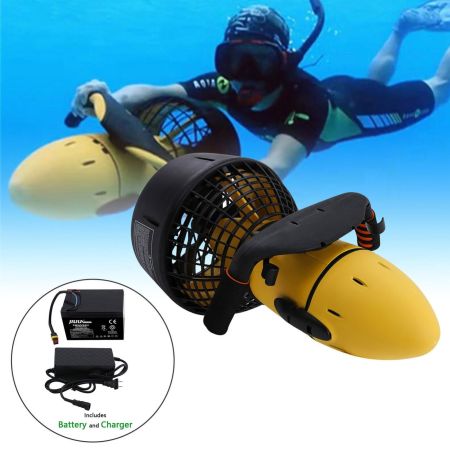
Scuba diving gear is specialized equipment used by divers to explore the underwater world at greater depths than snorkeling allows. Scuba diving enables divers to stay submerged for longer periods, breathe compressed air, and have access to a wide range of diving locations and marine life.
SAR 4,725.00 SAR5,250
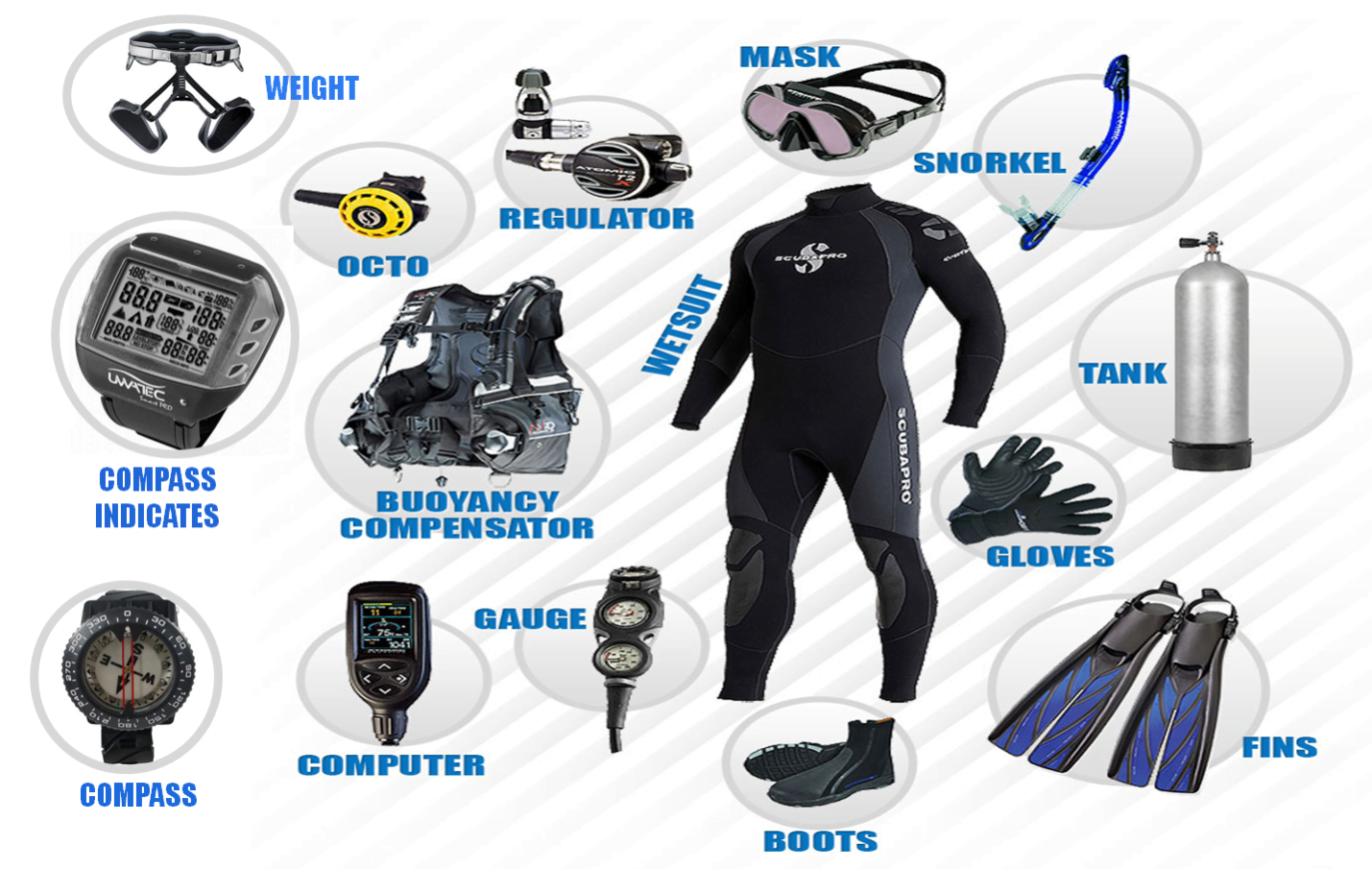
Scuba diving gear is specialized equipment used by divers to explore the underwater world at greater depths than snorkeling allows. Scuba diving enables divers to stay submerged for longer periods, breathe compressed air, and have access to a wide range of diving locations and marine life. Here are the key components of scuba diving gear:
-
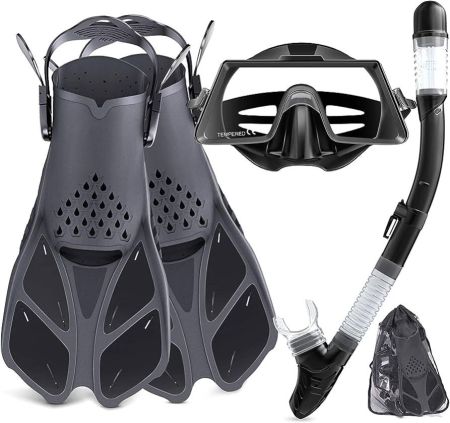
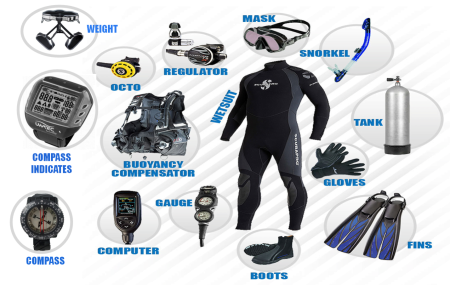
Diving Mask: Like snorkeling masks, scuba diving masks cover the eyes and nose, allowing clear vision underwater. They provide an air pocket to enable divers to see properly while keeping water out.
-
Regulator: The scuba regulator is a critical piece of equipment that attaches to the diving tank and allows divers to breathe the compressed air from the tank at ambient pressure.
-
Buoyancy Control Device (BCD): The BCD is a vest-like device that divers wear to control their buoyancy. It can be inflated or deflated to achieve neutral buoyancy at different depths.
-
Diving Tank: The diving tank contains compressed air or a breathing gas mixture, such as nitrox or trimix. The tank supplies the diver with the air needed for breathing during the dive.
-
Diving Fins: Similar to snorkeling fins, scuba diving fins help divers move efficiently underwater and provide thrust with each kick.
-
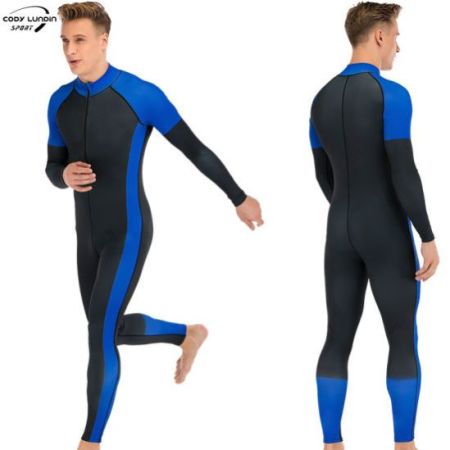
Wetsuit or Drysuit: Divers wear wetsuits or drysuits to maintain body temperature during longer dives or in colder water conditions.
-
Weight System: Divers use weight systems, such as weight belts or integrated weight pockets in the BCD, to counteract buoyancy and achieve neutral buoyancy.
-
Dive Computer: A dive computer is an electronic device that tracks dive time, depth, decompression limits, and other essential data to help divers manage their dives safely.
-
Dive Watch/Depth Gauge: Some divers use a separate depth gauge or a dive watch with depth capabilities to monitor their depth during the dive.
-
Dive Light: For diving in low-light or dark environments, underwater flashlights or dive lights provide illumination.
Scuba diving gear is usually not rented as a complete set due to safety reasons and individual equipment preferences. Instead, divers are typically expected to have their own personal gear. Owning and maintaining one's scuba diving equipment ensures that it fits properly and is well-maintained for safe and enjoyable dives.
Scuba diving offers an incredible opportunity to explore the beauty of the underwater world, encounter marine life, and experience a sense of weightlessness below the surface. It is essential to undergo proper training and certification before engaging in scuba diving to ensure safety and responsible diving practices.
0 Reviews For this Product

Related Products
.jpg)