
Emergency Gear
Flares or signal mirrors for attracting attention in case of emergency. Emergency blankets for insulation and signaling.
SAR 1,018.50 SAR1,260
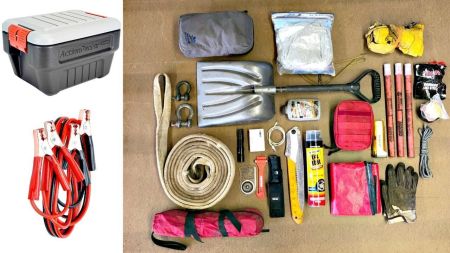
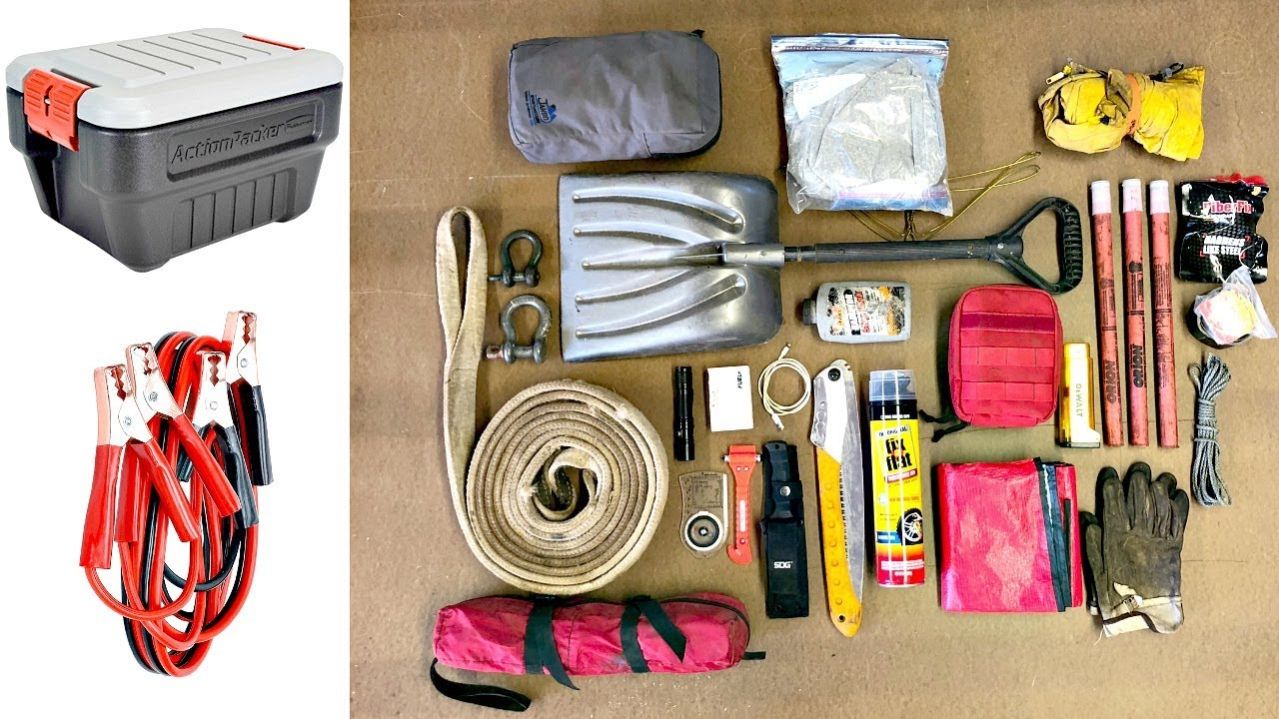
Emergency gear is a collection of essential items and equipment that are carried to handle unforeseen situations and emergencies. Whether you're in the wilderness, traveling, or facing any other challenging circumstances, having the right emergency gear can be crucial for your safety and well-being. Here are some common items to include in your emergency gear:
-
First Aid Kit: A well-stocked first aid kit is a must-have for treating minor injuries, cuts, burns, and other medical emergencies.
-
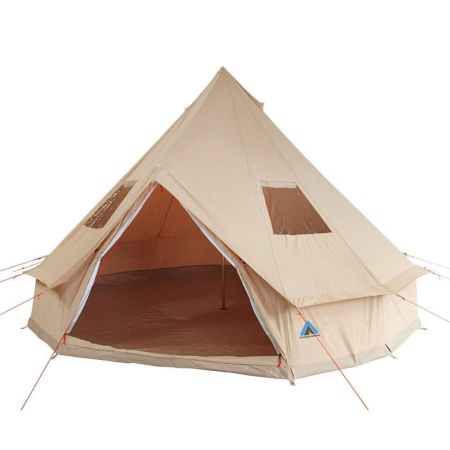
Emergency Shelter: Lightweight emergency shelter options like an emergency bivvy sack or space blanket can provide protection from the elements in case you get stranded or need to spend the night outdoors unexpectedly.
-
Fire Starter: A reliable fire starter, such as waterproof matches, a lighter, or a ferrocerium rod, can help you create a fire for warmth, cooking, or signaling for help.
-
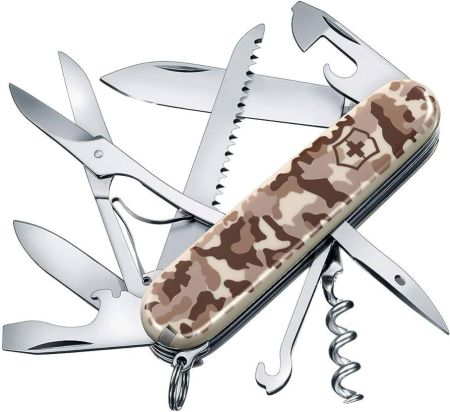
Multi-Tool or Knife: A versatile multi-tool or a sturdy knife can be invaluable for various tasks, from cutting materials to basic repair work.
-
Emergency Food: Carry lightweight, non-perishable emergency food items such as energy bars, dried fruits, or freeze-dried meals that require minimal preparation.
-
Water Purification: Water purification tablets or a portable water filter can help make water safe to drink from natural sources if your regular water supply runs out.
-
Headlamp or Flashlight: A headlamp or flashlight with spare batteries will provide illumination during the night or in low-light conditions.
-
Whistle or Signal Mirror: A whistle can help you signal for help if you're lost or in distress. A signal mirror can be used to reflect sunlight and attract attention from afar.
-
Emergency Communication: A fully charged mobile phone with a power bank or a satellite communication device can be vital for calling for help in remote areas.
-
Personal Identification and Documentation: Keep important documents like ID, passport, medical information, and emergency contacts in a waterproof container.
-
Cash: Carry some cash in small denominations, as it may be useful in emergencies, especially in areas without access to electronic payment methods.
-
Navigation Tools: A map and compass or a GPS device can assist with navigation and prevent getting lost.
-
Spare Clothing: Pack an extra set of clothing appropriate for the climate to stay dry and warm.
-
Duct Tape: Duct tape can be used for temporary repairs to gear and equipment.
Remember to customize your emergency gear based on your specific needs, the environment you'll be in, and the duration of your trip. Regularly check and maintain your emergency gear to ensure that it's in good working condition when you need it most.
0 Reviews For this Product

Related Products