
Shelter and Bedding
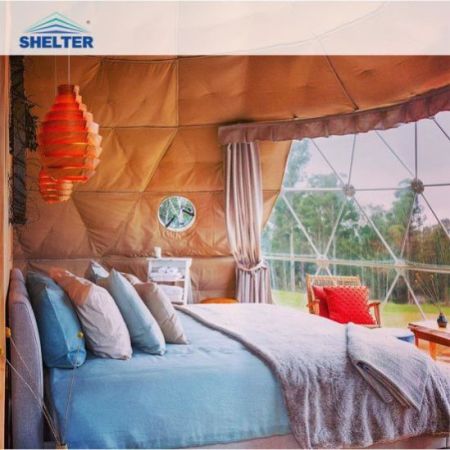
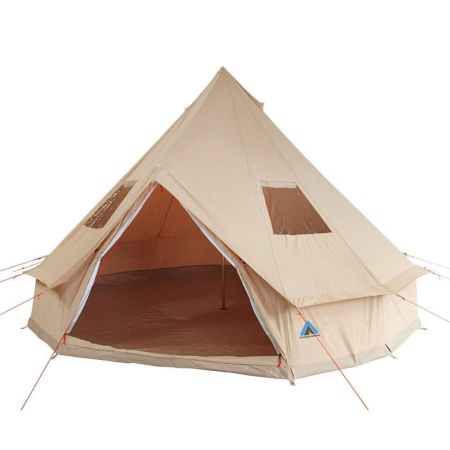
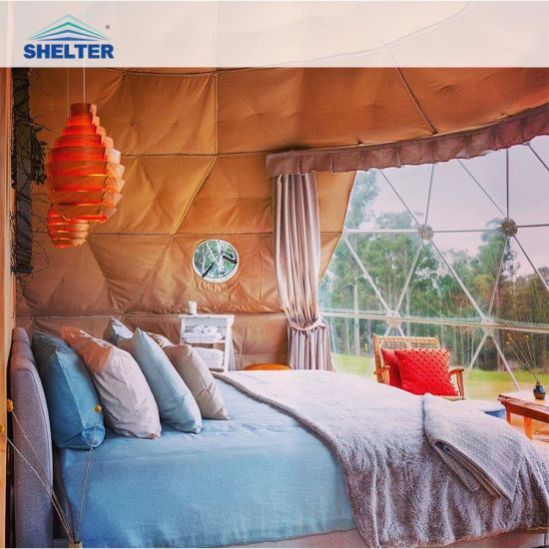
Lightweight, portable tents or shelters to protect against wind and sun during rest periods. Insulated sleeping bags or mats to provide comfort and protection from the cold desert nights.
SAR 1,575.00 SAR2,100
For small paratrooper (parachute) operations in the desert, having lightweight and compact shelter and bedding options is crucial, as it allows for easier transportation and mobility during missions. Here are some suitable shelter and bedding options for desert paratroopers:
-
Lightweight Tent or Bivy Sack: A lightweight, compact tent or bivy sack can provide protection from the elements, including wind, dust, and potential cold desert nights. Look for tents or bivy sacks made from durable and weather-resistant materials.
-
Hammock with Mosquito Net: If the desert area has trees or suitable anchor points, a hammock with an integrated mosquito net can offer a lightweight and elevated sleeping option. This setup can keep you off the ground and protect you from insects.
-
Sleeping Bag: Choose a lightweight and compressible sleeping bag rated for the temperatures you expect to encounter in the desert. Look for a bag with a stuff sack to reduce its size during transportation.
-
Sleeping Pad or Mat: A compact and lightweight sleeping pad or mat provides insulation from the cold ground and enhances sleeping comfort.
-
Emergency Bivvy Sack: Consider carrying an emergency bivvy sack or space blanket that can be used as a backup shelter in case of unexpected situations.
-
Multi-Purpose Tarp: A versatile tarp can serve multiple purposes, such as providing extra shade during the day or protecting you from the wind and rain.
-
Cot (Optional): For added comfort, some paratroopers may choose to carry lightweight collapsible cots, which keep them off the ground and provide more substantial sleeping support.
When selecting shelter and bedding for small paratrooper operations, it's essential to balance comfort, protection, and weight. Keep in mind that the size and weight of your gear can significantly impact your mobility and endurance during missions. Always test and familiarize yourself with your equipment before deploying it in operational settings.
Additionally, consider the climate and weather conditions you are likely to encounter in the specific desert region you'll be operating in. The desert can experience temperature extremes, so be prepared for hot days and potentially cold nights. Proper shelter and bedding are essential for maintaining your physical and mental well-being during extended operations in challenging desert environments.
0 Reviews For this Product

Related Products