
Water and Hydration
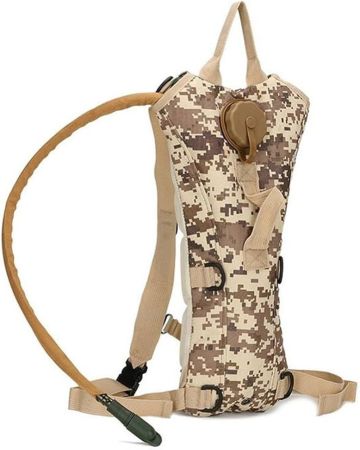
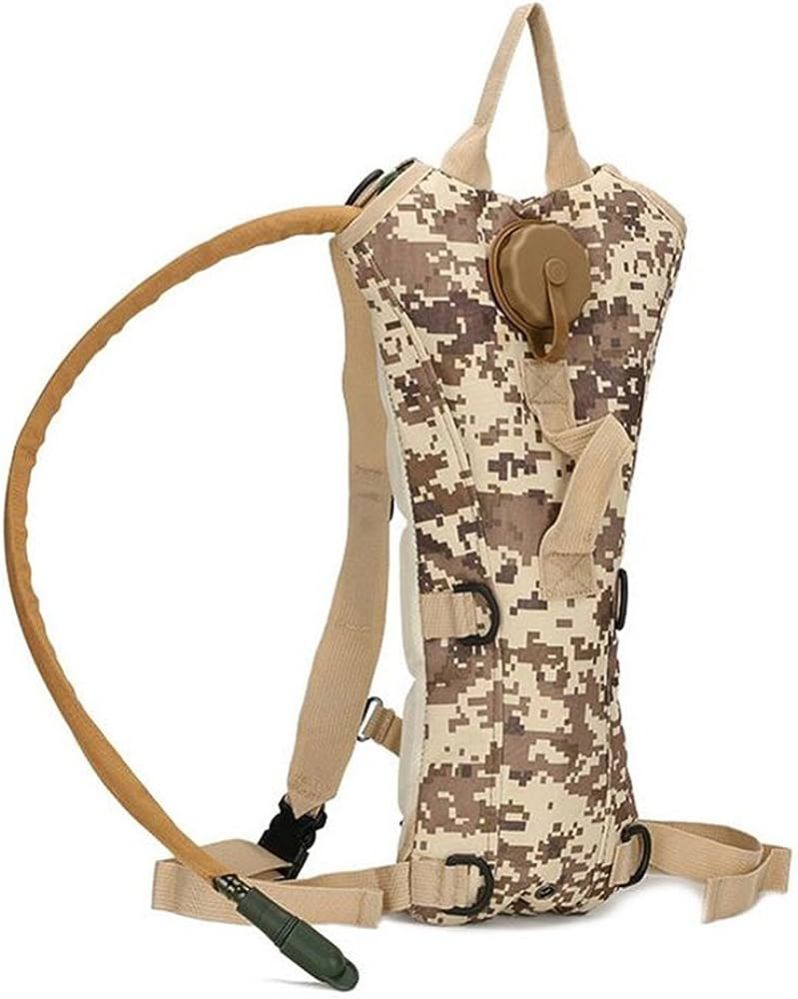
High-capacity water containers to carry an ample supply of water. Hydration packs or water bladders for easy access to water during activities. Water purification tablets or filters to make use of available water sources.
SAR 525.00 SAR924
Water and hydration are absolutely crucial for small paratrooper (parachute) operations in the desert. The harsh and hot conditions of the desert can lead to rapid dehydration, making it essential to have a well-thought-out plan for water supply and hydration. Here are some tips for managing water and staying hydrated in the desert as a small paratrooper:
-
Water Supply: Ensure you have a sufficient water supply for the duration of your mission. Calculate the amount of water needed per day, accounting for the intensity of physical activity and the heat. Carry enough water containers or hydration bladders to meet your requirements.
-
Water Purification: In case you need to source water from natural sources in the desert, carry water purification tablets or a portable water filter. Never drink water from unknown sources without purifying it first.
-
Hydration Schedule: Develop a hydration schedule to remind yourself to drink water regularly. In the desert, you may not feel as thirsty as you would in other environments, but it's essential to stay ahead of dehydration.
-
Drink Before Thirst Sets In: Don't wait until you feel thirsty to drink. Thirst is a late sign of dehydration, so take regular sips of water throughout the day to stay hydrated.
-
Electrolyte Replacement: In addition to water, you'll need to replenish electrolytes lost through sweating. Carry electrolyte tablets, sports drinks, or electrolyte-enhanced water to help maintain proper electrolyte balance.
-
Limit Caffeine and Alcohol: Caffeine and alcohol can contribute to dehydration, so it's best to avoid or limit their consumption during your desert operations.
-
Avoid Extreme Heat: Plan your activities to avoid the hottest parts of the day. Whenever possible, rest and seek shade during peak heat hours.
-
Wear Appropriate Clothing: Dress in lightweight, loose-fitting, and breathable clothing to minimize sweating and conserve water.
-
Monitor Urine Color: Use your urine color as an indicator of hydration. Pale yellow or straw-colored urine is a sign of good hydration, while dark yellow or amber urine suggests dehydration.
-
Water Discipline: Practice water discipline to ensure everyone in the group has access to enough water. Avoid wasteful behavior like pouring excess water or leaving water containers open.
-
Know Water Points and Refill Opportunities: Familiarize yourself with potential water points along your route or in your operational area. Plan your movements accordingly to refill water when possible.
-
Water Cache (If Possible): If the mission allows and it's safe to do so, consider setting up a water cache at a known location along your route as a backup water supply.
Staying properly hydrated is critical for maintaining physical and cognitive performance, as well as preventing heat-related illnesses. Make hydration a priority during your desert operations to ensure the safety and effectiveness of your small paratrooper team.
0 Reviews For this Product

Related Products